Underwater Armada: China’s Alleged Giant Drone Sub Mothership Surfaces
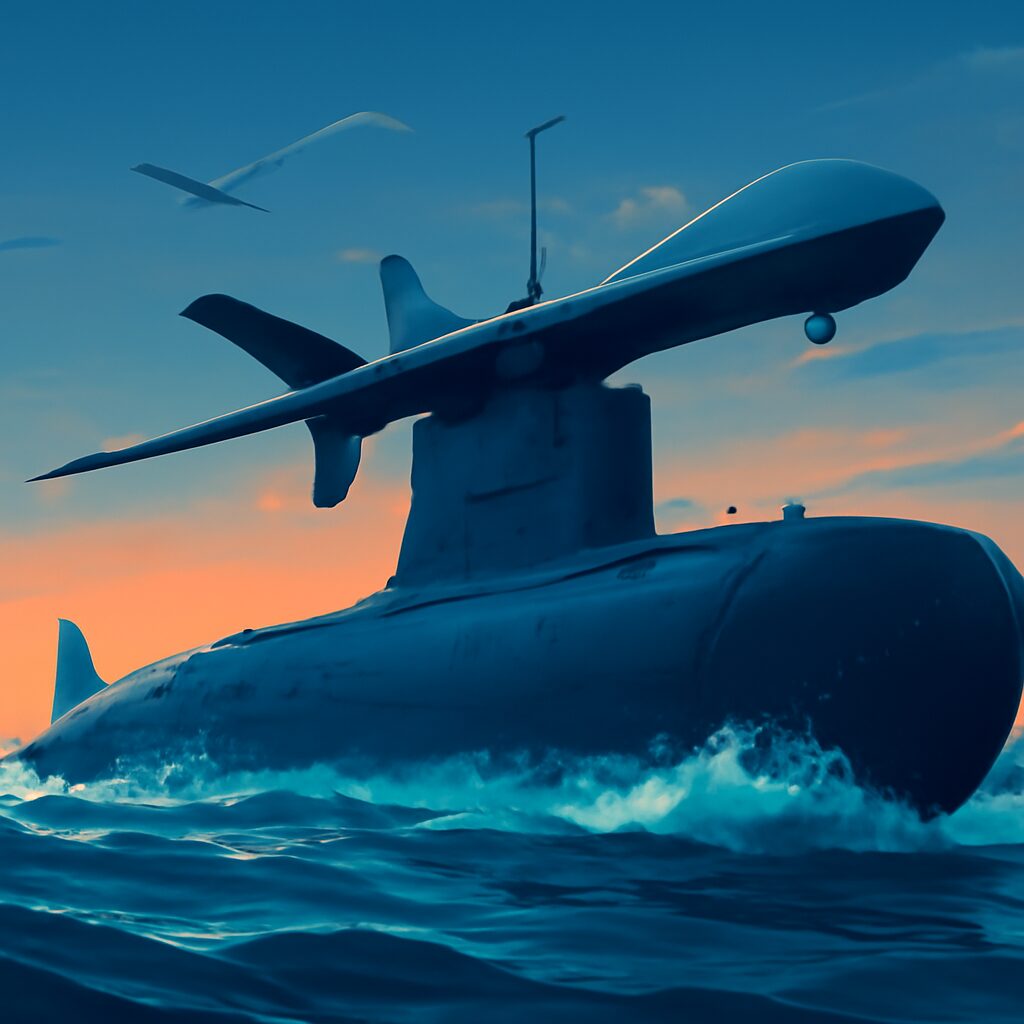
Gamers, ever been in a game and thought, “Man, this tech is so cool, I wish it were real”? Well, get ready, because something straight out of a futuristic naval combat title might be taking shape in the real world. Reports are buzzing about a colossal vessel under construction in China, designed not just to sail the seas, but to command an entire fleet of unmanned underwater vehicles (UUVs) – essentially, a mothership for submarine drones!
This isn’t just a bigger submarine or a fancy new destroyer; we’re talking about a dedicated mobile base for an armada of autonomous underwater drones. It’s the kind of development that blurs the lines between science fiction and geopolitical reality, offering a fascinating glimpse into the future of naval power and the kind of high-stakes scenarios we usually only encounter in our favorite games.
The Behemoth Takes Shape
According to analysis of recent satellite imagery by naval defense experts, this impressive vessel is currently being assembled at the Hudong-Zhonghua shipyard in Shanghai. What’s truly striking about it is its sheer scale. We’re looking at a ship that measures approximately 205 meters long and 27 meters wide. To put that into perspective, that’s longer than two football fields!
Its primary role won’t be direct combat in the traditional sense, but rather to serve as a mobile command and support center for a fleet of giant uncrewed submarine vehicles. Imagine a carrier, but instead of jets, it’s deploying and recovering advanced underwater drones. This indicates a significant shift in naval strategy, focusing on persistent, autonomous operations beneath the waves.
What is a Submarine Drone Mothership, Anyway?
The concept of a “mothership” for drones isn’t entirely new in the air or even surface domains, but for large-scale underwater operations, it’s a game-changer. This vessel isn’t just a transport ship; it’s a sophisticated hub for maintenance, recharging, data transfer, and command and control for multiple UUVs.
These accompanying submarine drones, which are themselves reportedly quite large, would be capable of a range of missions, far exceeding what a single crewed submarine could accomplish. Think about the strategic advantages:
- Extended Endurance: Drones don’t need rest, food, or oxygen, allowing for missions lasting weeks or months.
- Reduced Risk: Deploying unmanned vehicles keeps human personnel out of harm’s way in dangerous zones.
- Versatility: A fleet of different drones could perform various tasks simultaneously, from reconnaissance to mine countermeasures.
- Stealth Operations: UUVs can operate quietly and at depths that might be difficult or risky for crewed vessels.
Such a system would allow for unprecedented reach and persistence in underwater environments, fundamentally changing how naval forces could operate globally.
Echoes from the Gaming World
For us gamers, this development probably brings to mind countless scenarios from our favorite titles. Doesn’t this sound like something straight out of a modern warfare shooter’s future tech update? Or perhaps a new unit in a real-time strategy game focused on naval supremacy?
Consider the stealth and strategic depth found in games like *World of Warships* or the futuristic engagements in *Call of Duty* where unmanned vehicles play a crucial role. The idea of a central hub deploying multiple autonomous units for specific missions resonates strongly with gameplay mechanics we’ve come to love. It’s like seeing the “mothership” unit from a sci-fi RTS game come to life, but instead of space, it’s deep under the ocean’s surface.
Even exploration games like *Subnautica* give us a taste of operating large, advanced underwater vehicles, though in a much more serene context. The sheer scale and complexity of managing such a fleet in the real world would undoubtedly inspire new game concepts or expansion packs.
The Future is Now: Implications for Gamers and Beyond
This alleged construction, first reported around September 15, represents a significant leap in naval technology. It shows a clear move towards integrating advanced robotics and AI into military strategy, creating a future where autonomous fleets could patrol vast ocean expanses.
For gamers in Pakistan and around the world, this isn’t just military news; it’s a tangible manifestation of the futuristic worlds we often inhabit virtually. It reminds us how quickly real-world technology is catching up to, and sometimes even surpassing, the imaginative concepts we see in games. It’s exciting, a little bit awe-inspiring, and definitely something to keep an eye on as these real-life “game-changing” technologies continue to evolve.
As an Amazon Associate, PakGamersHub earns from qualifying purchases.