Upping the Ante on Road Safety: Rawalpindi Traffic Police Gets Serious About Fleet Fitness
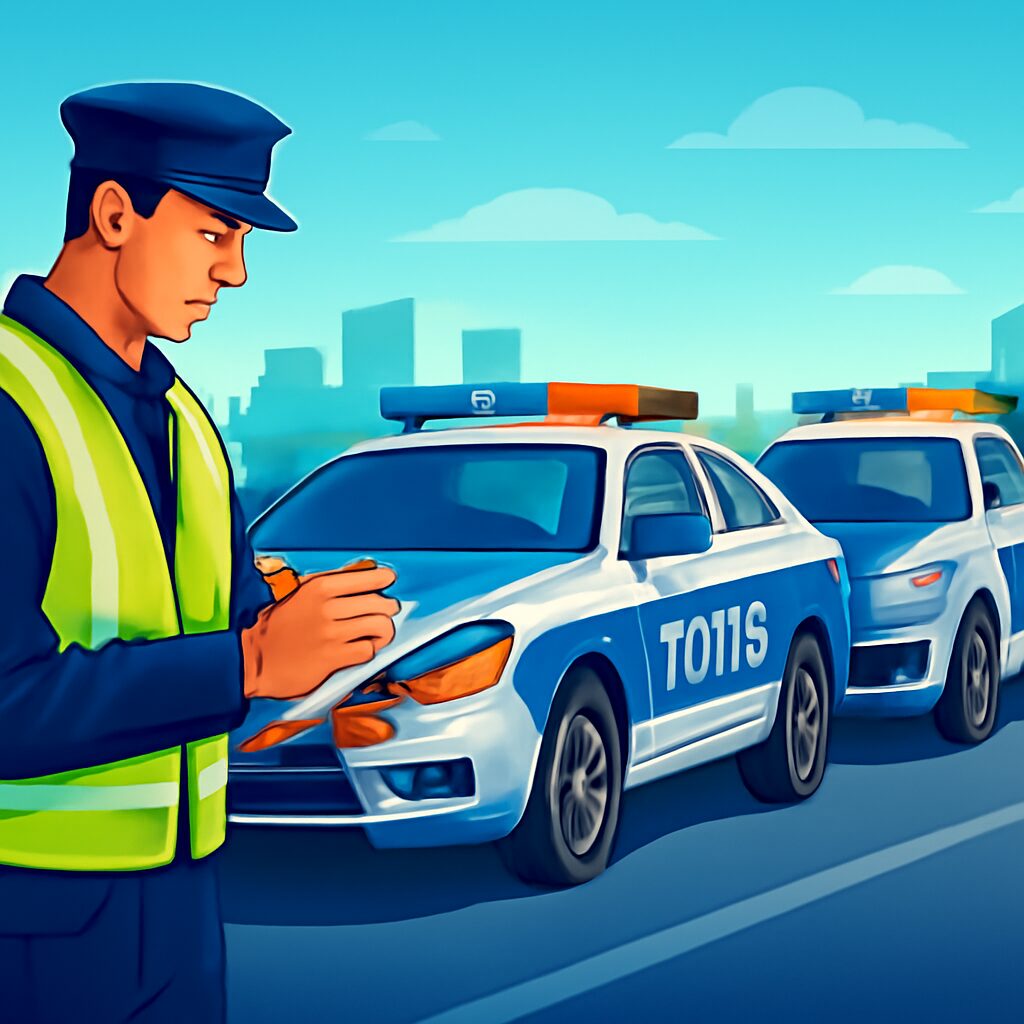
While we often spend hours optimizing our virtual rides for peak performance and durability in games, the real world also demands meticulous attention to vehicle health, especially for those on the front lines of public service. In a significant move aimed at enhancing road safety and operational efficiency, the Rawalpindi Traffic Police has initiated a comprehensive inspection program for its official fleet.
This isn’t just a routine check-up; it’s a proactive measure to ensure that every police vehicle patrolling the streets of Rawalpindi is in top mechanical condition, safeguarding both officers and citizens alike. Any vehicle found to be mechanically unfit will be grounded immediately, remaining off-road until all necessary repairs are completed.
The Drive for Uncompromised Road Safety
The importance of well-maintained vehicles for law enforcement cannot be overstated. From responding to emergencies to managing traffic flow and conducting patrols, police vehicles are the backbone of urban safety and order. A mechanical failure in a critical situation could have severe consequences, not just for the officers involved but also for the public they serve.
This initiative by the Rawalpindi Traffic Police underscores a commitment to operational excellence. By ensuring their fleet is robust and reliable, they are directly contributing to safer roads, faster response times, and a more effective presence in the community. It’s about setting a high standard and leading by example.
Beyond the Engine: A Holistic Approach to Vehicle Health
What exactly constitutes “mechanical fitness” in this context? It’s far more than just a functioning engine. The comprehensive inspections cover a wide range of critical components that are essential for safe and reliable operation. This holistic approach ensures that no stone is left unturned when it comes to vehicle readiness.
Key areas of focus during these inspections include:
- Braking Systems: Ensuring optimal stopping power and responsiveness, crucial for emergency maneuvers.
- Tire Condition: Checking for adequate tread depth, proper inflation, and any signs of wear or damage that could compromise grip.
- Steering and Suspension: Verifying precise handling and stability, which are vital for control, especially at speed.
- Lighting and Signaling: Confirming all headlights, taillights, indicators, and emergency lights are fully functional for visibility and communication.
- Fluid Levels and Leaks: Inspecting engine oil, coolant, brake fluid, and other vital liquids to prevent overheating or component failure.
- Overall Structural Integrity: Looking for any damage or weaknesses that could affect the vehicle’s safety in an impact.
By scrutinizing these fundamental aspects, the police force aims to preempt potential issues, significantly reducing the risk of on-road breakdowns or accidents caused by vehicle defects.
Accountability and Operational Readiness
A crucial element of this program extends beyond mere inspections. The department is also implementing strict measures against drivers found negligent in the maintenance of government vehicles. This policy introduces a layer of accountability, ensuring that officers are not only skilled behind the wheel but also responsible custodians of their assigned assets.
This move highlights the understanding that vehicle longevity and reliability are a shared responsibility. Proper daily checks, timely reporting of issues, and adherence to maintenance schedules are paramount. Chief Traffic Officer (CTO) Farhan Aslam emphasized the gravity of this initiative:
“We have begun inspecting vehicles, and let me be clear: mechanically unfit police vehicles will be kept off the roads of Rawalpindi until they receive the necessary repairs. Furthermore, we will take action against drivers found negligent in maintaining government vehicles. We have already inspected an initial batch of 15 vehicles as part of this ongoing commitment to public and officer safety.”
This statement underscores the department’s firm stance, signaling a new era of stringent oversight and commitment to public service standards.
The Broader Impact: Trust, Efficiency, and Public Welfare
This proactive approach to fleet management is expected to yield multiple benefits. Beyond the immediate enhancement of safety, it will likely improve the public’s perception of the traffic police, fostering greater trust and confidence in their operations. When citizens see well-maintained, efficient police vehicles, it reinforces the image of a professional and capable force.
Furthermore, by preventing mechanical failures, the initiative will lead to long-term cost savings by reducing repair expenses and extending the lifespan of the vehicles. It also means fewer vehicles will be out of service, maintaining optimal operational strength at all times. In the end, this commitment to mechanical fitness translates directly into a more efficient, responsive, and ultimately safer environment for everyone on Rawalpindi’s roads.
Just as a well-tuned gaming rig delivers a superior experience, a well-maintained fleet ensures superior performance where it truly counts – on the streets, keeping communities safe and secure. This initiative by the Rawalpindi Traffic Police is a commendable step towards achieving that critical goal.