Sindh Levels Up Education with 49 New Digital Classrooms and 20 Satellite Schools for Special Children
In a significant move poised to reshape the landscape of special education in Sindh, the provincial government has recently unveiled a major initiative. This isn’t just about bricks and mortar; it’s a leap into the digital age, promising better accessibility and quality learning for children with special needs across the province.
The announcement, made by Sindh Chief Minister Syed Murad Ali Shah, marks a pivotal moment, introducing modern educational infrastructure that leverages technology to create a more inclusive learning environment. It’s a clear signal that the province is serious about ensuring every child, regardless of their challenges, has the opportunity to thrive.
Bringing the Future to Classrooms: Digital Learning Takes Center Stage
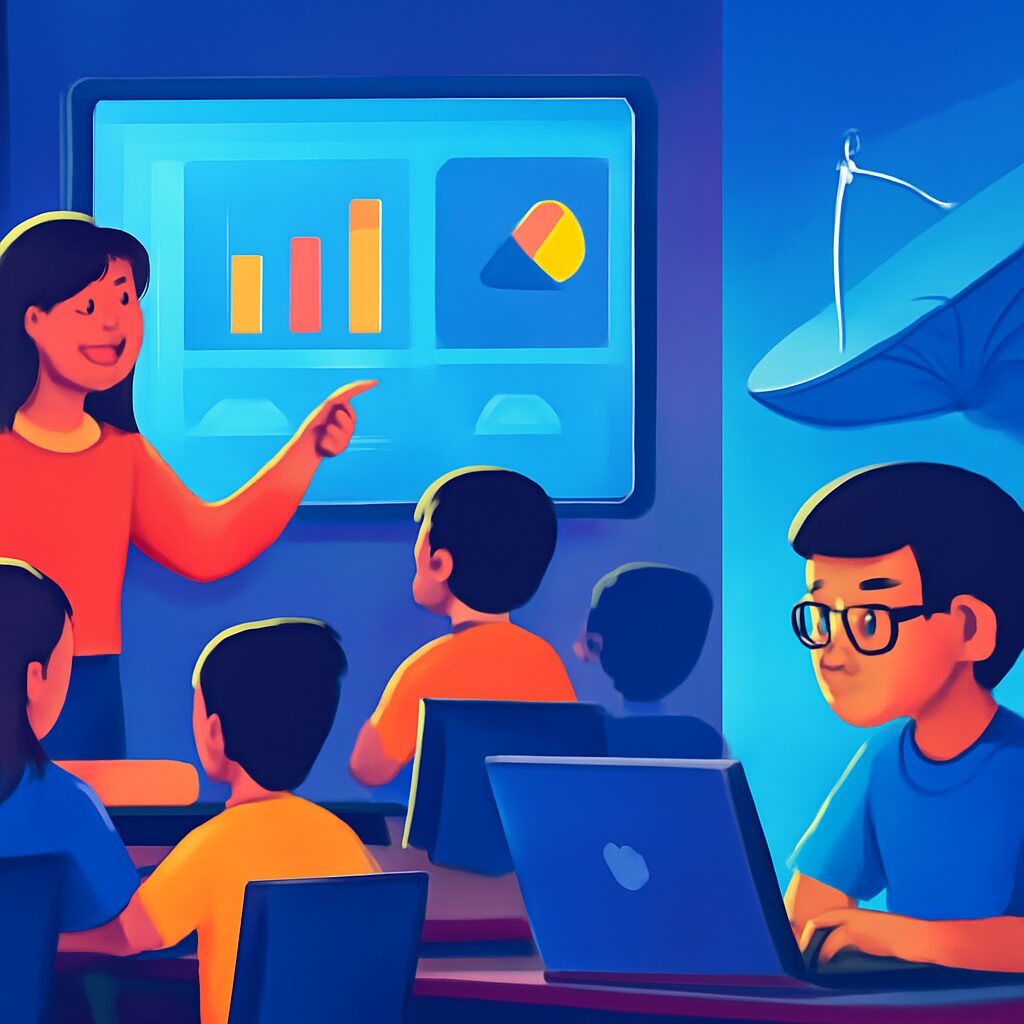
At the heart of this initiative are the 49 brand-new digital classrooms. For many, the concept of a “digital classroom” might still feel like something out of a sci-fi movie, but it’s quickly becoming a reality, especially for communities that traditionally faced educational disparities. These classrooms are equipped with technology designed to make learning more interactive, engaging, and personalized.
Imagine a classroom where multimedia content brings subjects to life, interactive whiteboards allow for dynamic participation, and specialized software can adapt to individual learning paces. This isn’t just about replacing blackboards with screens; it’s about fundamentally changing how information is delivered and absorbed, especially beneficial for children who might find traditional teaching methods less effective. It’s a huge step towards modernizing education and ensuring that students in Sindh are not left behind in the global digital revolution.
- Enhanced Engagement: Interactive displays and multimedia content captivate students’ attention.
- Personalized Learning: Software can adapt to individual needs and learning styles, crucial for special education.
- Access to Resources: Digital platforms provide a wealth of educational materials, overcoming limitations of physical textbooks.
- Skill Development: Exposure to technology from a young age prepares students for a digitally-driven future.
- Overcoming Barriers: Digital tools can help bridge communication gaps and facilitate diverse learning approaches.
Reaching Every Corner: The Power of Satellite Schools
Complementing the digital classrooms, the inauguration of 20 satellite schools for special children is equally, if not more, impactful. In a province as vast and diverse as Sindh, geographical barriers can often be the biggest hurdle to education. Many children with special needs, particularly those in remote or underserved areas, struggle to access specialized facilities due to distance, lack of transport, or parental constraints.
Satellite schools are designed to mitigate these challenges. By establishing smaller, localized educational hubs, they bring specialized care and tailored curricula closer to home. This reduces travel burdens, fosters community integration, and ensures that children who might otherwise be isolated can access the dedicated support they need. It’s about decentralizing education and making sure that quality learning is not just a privilege for those in urban centers, but a right for every child, no matter where they live.
Empowering Educators: Sign Language Training Programme
The initiative isn’t just about infrastructure; it’s also about empowering the people who make education happen. A crucial component of this project is the launch of a sign language teacher training programme. This specific focus highlights the government’s commitment to inclusive education, especially for the deaf and hard-of-hearing community.
Effective communication is the cornerstone of learning. By training more educators in sign language, the province is ensuring that children with hearing impairments have access to teachers who can communicate directly and effectively with them. This not only enhances the quality of instruction but also creates a more welcoming and understanding classroom environment, where these students feel heard and valued. It’s a vital investment in human capital, ensuring that the new digital and physical infrastructure is supported by skilled and compassionate educators.
A Step Towards a More Inclusive Pakistan
The ceremony, organized by the Special Education Department, saw the Chief Minister emphasize the government’s unwavering commitment to providing quality education to every child. This sentiment resonates deeply, especially in a developing nation like Pakistan, where ensuring equitable access to education for children with special needs remains a significant challenge.
These initiatives by the Sindh government represent a forward-thinking approach, leveraging technology and strategic outreach to build a more inclusive society. By investing in digital literacy, specialized facilities, and teacher training, Sindh is laying the groundwork for a future where every child has the tools and opportunities to realize their full potential, contributing meaningfully to the nation’s progress. It’s a powerful example of how strategic investment in education can lead to transformative social change.
For gamers and tech enthusiasts in Pakistan, this news is a reminder that technology’s impact extends far beyond entertainment. It’s about creating opportunities, breaking down barriers, and building a more accessible future for everyone, starting with our youngest generation. This is a significant level-up for education in Sindh, and we’re excited to see the positive ripple effects it will undoubtedly create.