Valve Says the Steam Frame Was Supposed to Be Cheaper, but the Memory Crisis Ruined Those Plans
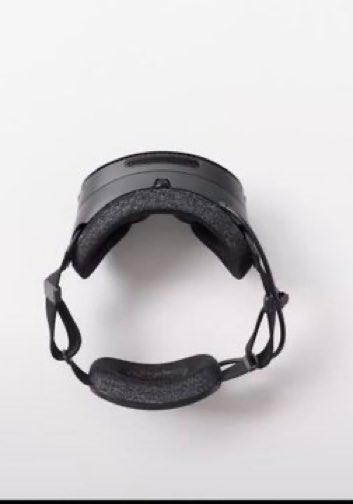
Valve’s Steam Frame VR headset was originally supposed to be cheaper, but soaring memory prices apparently threw those plans out the window.
Valve engineers confirmed that the company had a specific price target in mind while designing the Steam Frame. Unfortunately, the rapidly rising cost of RAM and other memory components forced Valve to increase the final price.
The Steam Frame is now launching at $1,059 for the 256GB model with VR controllers, while the 1TB version costs $1,299.
That’s apparently quite a bit more than Valve originally wanted.
Valve engineer Jeremy Selan summed up the situation:
“I wish we could have shipped it at the price that we were at last year.”
Valve Could Have Cut the RAM, but Didn’t
One obvious way Valve could have reduced the price would have been to cut the amount of memory inside the headset.
Valve decided against doing that.
The Steam Frame comes equipped with 16GB of LPDDR5X RAM, compared to just 8GB in the Meta Quest 3.
Keeping 16GB should give the Steam Frame considerably more breathing room for demanding games and applications, but it also becomes an expensive decision when memory prices are rising.
Valve essentially faced a choice: reduce the specifications to protect the original price target or keep the hardware it designed and accept a higher retail price.
It chose the latter.
Steam Frame vs. Quest 3 Is a Brutal Price Comparison
The biggest problem is just how expensive the Steam Frame looks next to established VR hardware.
A Quest 3 costs around $600, while the Steam Frame starts at $1,059.
That’s a difference of roughly $460 before even considering the more expensive 1TB Steam Frame.
Of course, RAM alone doesn’t determine the capabilities or value of a VR headset. The Steam Frame having twice the memory of the Quest 3 is a significant specification advantage, but for someone simply deciding how much they’re willing to spend on VR, a difference of several hundred dollars is difficult to ignore.
The Memory Crisis Came at the Worst Possible Time
Valve appears to have designed the Steam Frame when component pricing looked very different.
Hardware products can spend years in development, meaning manufacturers have to make decisions about specifications long before they know exactly what those components will cost when the device finally reaches consumers.
The memory crisis has therefore arrived at an especially unfortunate time for Valve.
The company could have responded by cutting the Steam Frame down to 8GB of RAM or making other compromises, but instead it decided to stick with the 16GB LPDDR5X configuration.
The result is a headset that even Valve apparently wishes it could sell for less.
At $1,059 for the 256GB model and $1,299 for the 1TB version, the Steam Frame certainly isn’t cheap. With the Quest 3 sitting hundreds of dollars below it, Valve will now have to show players why its new VR hardware commands such a substantial premium.
For Valve, the memory crisis couldn’t have arrived at a much worse time.
As an Amazon Associate, PakGamersHub earns from qualifying purchases.